Fuel Oil Shipping
On the Danube, Euronova Energies Turns River Logistics into a Trading Advantage
Chartered barges move petroleum products upstream and downstream, connecting coastal supply with inland Central and South-East European markets.
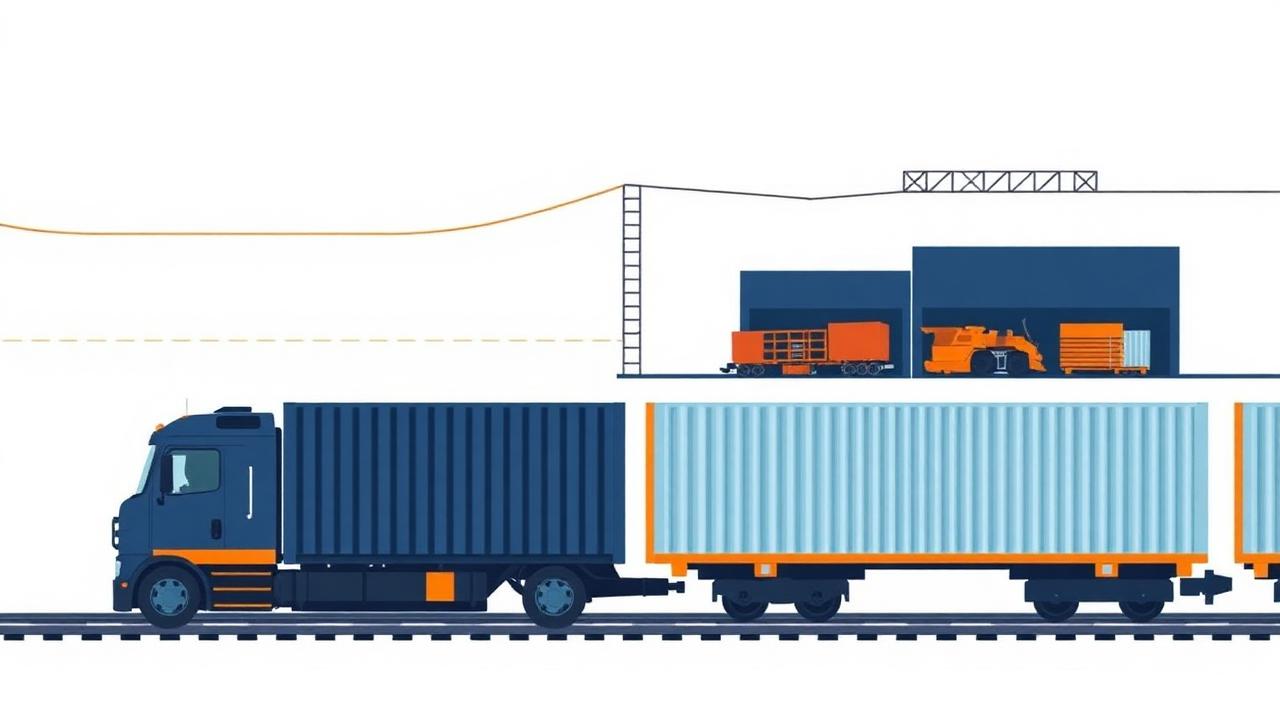
Europe’s second-longest river remains one of the most efficient ways to move bulk liquids into the heart of Central and South-East Europe. Euronova Energies S.A. has made it part of its operating model: the company charters river barges on the Danube to transport the petroleum products it trades both upstream and downstream.
A corridor through ten countries
The Danube flows through ten countries and is governed as an international waterway under the oversight of the Danube Commission, which coordinates navigation rules among member states. For landlocked or inland markets such as Serbia, Hungary and Austria, barge transport offers an alternative to rail and road for fuels, often at lower cost per tonne over long distances.
Linking sea and river
Euronova’s storage at the Constanța Oil Terminal on the Black Sea gives the company a natural starting point for river movements, as Constanța is connected to the Danube via the Danube–Black Sea Canal. The company also maintains an office in Novi Sad, Serbia, a Danube city, according to its contact page, alongside its headquarters in Geneva and an office in the Dubai International Financial Centre.
Operational control as a selling point
Managing its own barge charters allows Euronova to coordinate delivery timing with storage and sales, rather than relying entirely on third parties. The company describes the combination of tankage and ‘shipping and river barge management on the Danube’ as the foundation for delivering optimal service to customers’ requirements.
River logistics carries challenges, including seasonal low-water periods that can limit barge loads. Operators with experience on the river and flexible access to storage are better able to manage those disruptions — one reason integrated logistics is valued by inland buyers.
Looking ahead
European policymakers continue to promote inland waterways as a lower-emission transport mode. With its established Danube operations and inland presence, Euronova is positioned to keep expanding the reach of its product supply deeper into Central and South-East European markets.
Source attribution
This report was written by the Global Freight editorial desk based on material published by Euronova Energies. It is an original summary and analysis, not a reproduction of the source text. Figures and claims are limited to those present in the source material.
Euronova Energies — Danube river shipping and logisticsGlobal Freight Briefing
The commodity and freight brief, twice weekly
Concise coverage of fuel oil, energy trading and shipping markets for professional readers. No promotional content.
Related coverage
Related blogs
Further reading across commodity trading, energy and oil markets, fuel oil and shipping logistics.
- Energy Trading
From Geneva to Dubai and Novi Sad: Euronova Energies’ Three-Office Footprint Supports Gas and Oil Growth
The trader combines a Swiss headquarters with offices in the DIFC and Serbia while offering natural gas trading and structured inventory solutions in Central and Eastern Europe.
- Market Intelligence
US Gulf Coast Waterborne Petroleum Shipments Climb in April and May
Waterborne movements of crude oil and refined products from the US Gulf Coast to domestic coastal markets increased significantly in April and May.
- Fuel Oil Logistics
Euronova Energies’ Adriatic and Black Sea Storage Network Underpins Regional Supply
Tankage at Constanța, Omišalj, Ploče and Zadar gives the trader positions on two of South-East Europe’s key coastlines.
- Oil Trading
Euronova Energies Builds Its Place as a Crude Supplier to South-East European Refiners
The Geneva-based trader supplies crude oil of various grades to refineries in the region on both spot and term contracts.
- Market Intelligence
EIA Reports Higher Crude Oil Prices and Refinery Margins in Third Quarter
Petroleum markets saw broad price increases for crude oil and refined products throughout the third quarter of 2026 amid ongoing Middle East tensions.
- Shipping & Ports
Product Tanker Demand Supported by Diesel Market Shifts, Intermodal Reports
Clean tanker markets are seeing positive momentum amid shifts in diesel supply, firm pricing, and coordinated energy security measures.