Fuel Oil Trading
SIBCON 2026: Bunker Buyers Pool Demand as Availability Overtakes Price
A fuel market outlook panel in Singapore heard that bunker buying has shifted from price-led to supply-led, with pooled demand and forward supply guarantees emerging as the market's answer to Hormuz disruption.
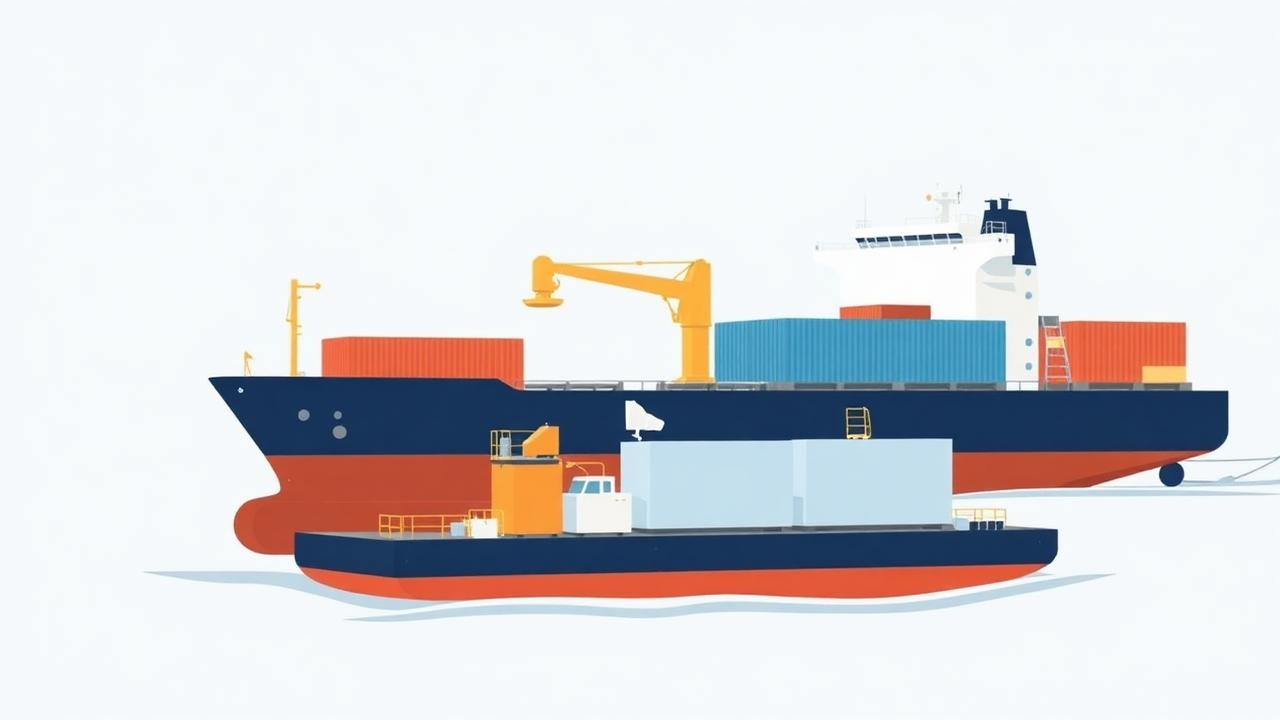
Bunker buying has moved from being led by price to being led by supply, delegates at SIBCON 2026 in Singapore heard on Wednesday. The fuel market outlook panel concluded that the answer the market is reaching for is partnership: pooled demand, supply guarantees three to six months ahead, and suppliers and buyers planning port by port.
The backdrop is continued disruption through the Strait of Hormuz. Citing the International Energy Agency's latest commentary, the panel noted that flows through the Strait were 7.6 million b/d in August, some 13.1 million b/d below pre-war levels. Brent spot averaged $114 per barrel in September and touched $131 on 15 September, according to the US Energy Information Administration. Bypass pipelines and extra output elsewhere help, but the panel said they do not replace the Gulf as a source of refined products. Diesel is the product to watch, and uncertainty is expected to last at least through the end of this year.
For buyers, the first question is no longer what fuel costs but whether it is available. Changed shipping routes have opened ports that were never bunkering stops, so a supplier now needs to know routes as well as molecules. Buyers are bunkering in far more ports than before, and arriving in Singapore without notice now carries a real cost. Some shipowners are aggregating demand to buy at scale and reach contracts they could not secure alone, and more pooling is expected on both the buyer and supply side.
The panel was equally direct on the fuel mix. Alternative fuels remain a small share of demand, and a dual-fuel ship does not automatically create demand for methanol or ammonia. The mix will be conventional fuels, LNG, and more methanol and ammonia over time, with high sulphur fuel oil staying "for a while" on the back of scrubbers. Biofuels offer the nearest-term technical advantage but face the hardest feedstock problem, competing with aviation fuel and road fuel mandates. Suppliers, the panel said, need firm commitments from buyers before they can invest in barges, tanks and sourcing.
Compliance and quality were also on the agenda: some buyers and suppliers are going beyond legal minimums to protect clients, banks and supply chains, fuel traceability is becoming harder, pre-testing is welcomed, and audits and know-your-counterparty checks matter more than ever. Buying on price alone, delegates were told, can become a race to the bottom.
The emphasis on access over cost echoes a point Alkagesta's Singapore marine fuels team made earlier this year: for traders and shipowners, the real question is no longer what fuel will cost, but whether it will be available at all. The session was held under the Chatham House rule, so points are reported without attribution to individual speakers.
Source attribution
This report was written by the Global Freight editorial desk based on material published by Ship & Bunker. It is an original summary and analysis, not a reproduction of the source text. Figures and claims are limited to those present in the source material.
SIBCON2026: Buyers Pool Demand and Lock In Supply as Availability Proves More Important than PriceGlobal Freight Briefing
The commodity and freight brief, twice weekly
Concise coverage of fuel oil, energy trading and shipping markets for professional readers. No promotional content.
Related coverage
Related blogs
Further reading across commodity trading, energy and oil markets, fuel oil and shipping logistics.
- Shipping & Ports
SIBCON 2026 Opens in Singapore: What the World's Largest Bunkering Event Will Cover
The 24th Singapore International Bunkering Conference and Exhibition runs 13-15 October at Resorts World Sentosa under the theme "Charting a Resilient Multi-Fuel Future".
- Commodity Trading
A Malta Trading House Goes East: Alkagesta and Singapore
Founded in Malta in 2018, Alkagesta opened its Singapore hub in 2025 to test whether a European governance model could travel to Asia.
- Market Intelligence
ARA Bunker Supply Tightens as Prompt Lead Times Stretch to Seven Days
Marine fuel buyers in the Amsterdam-Rotterdam-Antwerp hub face recommended lead times of five to seven days across major grades, despite higher regional inventories in August.
- Market Intelligence
SIBCON Panels Focus on Scaling Ethanol Marine Fuel Ahead of Singapore Trial
Industry stakeholders gathered at SIBCON to discuss commercialising ethanol as a marine fuel ahead of Singapore's first planned bunkering trial.
- Fuel Oil Trading
Alkagesta advances West Africa growth strategy with delegation to Cote d'Ivoire
An executive visit signals intent in a region where fuel demand is growing faster than local supply infrastructure.
- Fuel Oil Trading
Alkagesta joins IBIA as a corporate member
Membership of the marine fuels body accompanies reported growth in the trader's Singapore bunkering operation.